


Gerald - Cash Advance
4.44.24K Reviews
App Specs
- Version
- 69.0.13
- Updated On
- License
- Free
- Downloads
- 500,000+
- Developer
- Gerald Technologies, Inc.
- Categories
- Finance
- Platform
- Android
Screenshots
 Analysis by AppCompare
When an unexpected expense lands between paydays, I understand why a cash advance app can feel more practical than applying for a traditional loan. Gerald Cash Advance is built around that short-term situation: it is a free finance app from Gerald Technologies, Inc. that offers access to cash without a credit check or interest. I found the appeal easy to understand, but I also think it is important to use it as a carefully managed emergency tool rather than treating it like extra income.
The app has reached over half a million installs and holds a 4.4 average from around ten thousand ratings, which suggests that many people find its basic purpose useful. Its Everyone content rating also makes it broadly accessible. Still, a popular cash advance service is not automatically the right answer for every financial problem. The real question is whether your need is small, temporary, and easy to repay without creating another gap later.
How the everyday Gerald workflow feels
I would start by treating Gerald as a planning tool, not a button to press whenever the balance looks low. After installing the app, I would review the account setup carefully, check what information is requested, and read each screen before continuing. Finance apps deserve more attention than ordinary utility apps because a rushed tap can affect how money moves or how repayment is handled.
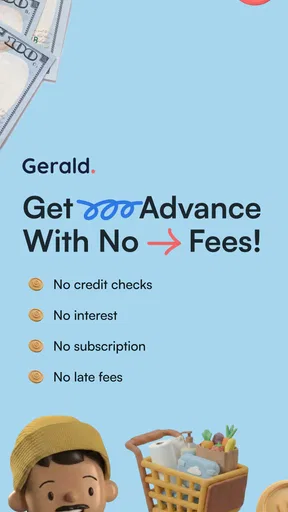
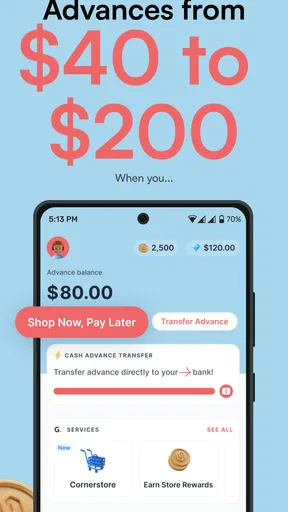
The central attraction is straightforward. Gerald presents cash advance access without a credit check and without interest, so a person who does not want a conventional loan application may find the process less intimidating. That can be especially helpful when a bill is due soon and waiting for a credit decision would not solve the immediate problem.
My preferred baseline workflow would be simple: open the app only when there is a defined expense, check the amount needed, review the repayment details, and decide whether the next incoming payment can cover both the advance and normal living costs. That last step matters more than the speed of receiving money. A cash advance can solve today’s timing problem while creating a larger one if the repayment leaves too little for food, transport, or another fixed bill.
The most useful habit is to decide the repayment plan before requesting the advance. I would write down the expense, the expected repayment date, and the remaining balance after repayment. This takes less than a minute, but it changes the app from an impulse solution into a controlled part of a budget.
Gerald is most suitable for a short bridge: a necessary purchase, a bill arriving just before income, or a temporary mismatch between when money is earned and when it is needed. It is less suitable for recurring rent shortfalls, ongoing debt, or a monthly budget that is already negative. In those cases, repeatedly taking advances can hide the underlying problem rather than fix it.
Worth Reading Before You Choose

EA SPORTS FC Mobile 26 Is a Bigger Football Game, but It Takes Time

Flipboard Shows What News Apps Must Do Beyond the Feed

Switching to Android Auto Means Rethinking Your Driving Routine

Google Calendar Makes a Crowded Week Easier to Manage

Ludo King Makes the Most of the Minutes Between Plans

Baby Panda World Brings Quick Play to Modern Phones, but Its Game Library Feels Busy
What I would check before requesting money
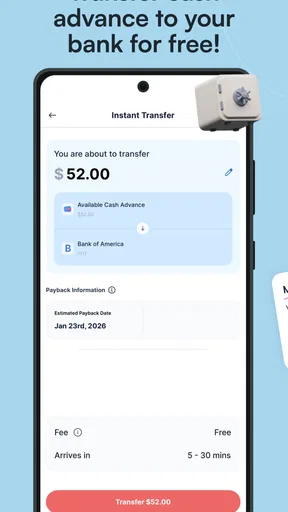
I would not assume that “no interest” means “no conditions.” Before confirming anything, I would read the amount available, the repayment timing, and any screen that explains how the transaction will be completed. The important details are the ones that determine whether the advance fits your real cash flow, not just whether the request looks quick.
I would also make sure the requested amount matches the expense instead of borrowing the maximum shown. If a bill requires a smaller amount, taking more simply because it is available weakens the advantage of a short-term advance. Keeping the request narrow makes repayment easier and reduces the chance that convenience turns into a habit.
Another practical check is whether the timing actually helps. If the money will arrive after the bill’s deadline, or if repayment happens before your next dependable income, the advance may not solve the problem. Gerald can be useful for timing gaps, but it cannot make an unaffordable expense affordable.
Settings and account details worth reviewing
Experienced use begins with reading the account and transaction screens rather than skipping through them. I would look for every available setting related to notifications, linked financial information, repayment, and account security. The exact choices shown can depend on the current app experience, so I would rely on what Gerald displays on my device instead of assuming that another user sees the same controls.
Notifications deserve special attention. I would keep alerts that help me remember an upcoming repayment or account event, while avoiding unnecessary interruptions if the app offers that choice. A reminder is valuable when it prevents a missed obligation; it is less useful when it encourages me to open the app and request money without a specific need.
I would also review permissions and connected-account information periodically. A finance app should have only the access I am comfortable granting, and I would remove anything that is no longer needed if the app provides a clear way to do so. This is not a Gerald-specific accusation or a claim about a particular permission. It is simply a sensible routine whenever an app handles personal financial information.
Security habits matter just as much. I would use a strong device lock, avoid requesting an advance on a shared phone, and sign out or protect access before handing the device to someone else. I would never send login details or verification codes to another person claiming to offer support. A fast financial service is only useful if the account remains under the owner’s control.
One setting-related trade-off is convenience versus attention. Keeping every notification enabled may help a forgetful user notice account activity, but it can also make financial prompts blend into ordinary phone alerts. I prefer a small set of meaningful alerts and a routine of opening the app deliberately when I need to check something.
Faster patterns that still keep control
The fastest responsible pattern is repeatable preparation. I would keep a small note outside the app with regular income dates, fixed bills, and the maximum amount I could repay without cutting into essentials. Then, if an emergency appears, I would not have to make the entire decision while stressed. Gerald handles the advance request; the note handles the judgment.
A second useful pattern is to request only after confirming the exact shortfall. For example, imagine a transport payment is due two days before your paycheck. I would first calculate the amount needed to cover that payment, then check whether the paycheck will arrive before any repayment obligation becomes uncomfortable. If the answer is yes, Gerald may serve as a practical bridge. If the answer is uncertain, I would look for a cheaper adjustment, a payment extension, or help from a trusted person before borrowing.
I would also avoid opening the app repeatedly throughout the day just to see whether more money is available. That behavior shifts attention from the expense to the limit. A better shortcut is to open Gerald with a purpose: check an existing advance, review timing, or request a specifically calculated amount.
Another repeatable habit is to close the loop after repayment. I would check that the transaction has been reflected correctly, keep a record for my own budget, and then ask why the shortfall happened. If the same type of expense appears again, the long-term answer may be a small emergency fund or a bill-date adjustment rather than another advance.
These habits are more valuable than trying to make the app part of every financial decision. Gerald can reduce friction around one narrow problem, but it does not replace a complete budgeting app, a savings plan, or advice from a qualified financial professional. I would use it alongside those tools, not as a substitute for them.
Where the advantages become less clear
The absence of a credit check can make Gerald appealing to people who are worried about traditional lending criteria. The absence of interest can also make the cost easier to understand than a conventional loan with accumulating charges. For a small, clearly repayable timing gap, those qualities are meaningful.
However, a cash advance still creates an obligation. “No interest” does not remove the pressure of having less money available later. It also does not guarantee that the app will be the best option for a particular emergency. If a utility provider offers a payment arrangement, that may be preferable. If a bank account already includes an affordable overdraft option, comparing the terms may be sensible. If the expense is large or ongoing, a structured financial solution is usually more appropriate than repeating short advances.
I would also avoid using Gerald when the reason for borrowing is discretionary shopping. A useful test is whether the purchase would still be necessary if the advance were unavailable. If the answer is no, waiting is usually the healthier choice. The app’s convenience should not turn wants into obligations.
People who need a long repayment period should be cautious too. Gerald is designed around fast access to cash, not a long-term debt-management program. Someone facing several unpaid bills, irregular income, or persistent overdrafts may need a broader review of expenses and support options. In that situation, a cash advance can provide temporary relief while leaving the main financial strain untouched.
Limits I would keep in mind
The biggest practical limit is that availability and suitability are not the same thing. Seeing an advance option does not mean that taking it is affordable. I would judge the request against confirmed income, essential expenses, and the timing shown in the app. If any of those three pieces is unclear, I would pause rather than rely on optimism.
Another limit is emotional. Cash access can feel like a solution because the problem becomes less visible immediately. I would therefore avoid requesting money late at night, while angry, or while shopping online. Waiting until the next morning for nonessential expenses creates a useful barrier between an impulse and a financial commitment.
I would also keep expectations realistic about the app’s role. Gerald is not a replacement for building savings, increasing income, negotiating bills, or dealing with debt. Its value is concentrated in a narrow use case: making a temporary cash-flow gap easier to manage. The more a situation moves beyond that use case, the less attractive the app becomes.
The current Android release is version 69.0.9 and supports Android 7.0 or later. That makes it available to people using older Android devices, although I would still keep the operating system and the app updated whenever updates are offered through the normal store process. The app is free to install, but I would still read the in-app terms and transaction screens before using any financial feature.
Gerald was released on July 8, 2021, and its continued presence alongside a substantial user base gives it more history than a brand-new finance app. Even so, I would not let the age of the product replace careful reading. Financial interfaces and policies can change, so I would always judge the current screens and terms at the moment I use them.
Who should use it, and who should skip it
I think Gerald is a reasonable option for an adult who has a specific short-term need, expects reliable income soon, and can explain exactly how repayment will fit into the next budget. It may also appeal to someone who wants to avoid a credit check and prefers a simple cash-flow bridge over a traditional loan application.
I would recommend skipping it if your income is unpredictable, the advance would cover basic expenses again next week, or repayment would force you to borrow elsewhere. I would also look for another solution if you need a large amount, a long repayment schedule, or detailed debt counseling. The app can be convenient without being appropriate.
Compared with asking family or friends, Gerald may feel more private and immediate, but it creates a formal financial obligation instead of a personal arrangement. Compared with a credit card, its interest-free positioning can be attractive for a short bridge, while a credit card may offer more flexibility for purchases but can become expensive when a balance remains. Compared with a bank overdraft, the better choice depends on the terms and timing of each option. I would compare the actual obligation rather than choosing based only on speed.
My verdict after using it as a disciplined tool
Gerald Cash Advance works best when it stays small, specific, and occasional. I like the clear focus on fast cash without a credit check or interest, and the free app makes it easy to consider when a short timing gap appears. The strongest experience comes from combining that convenience with personal rules: calculate the shortfall, check repayment timing, review the account details, and avoid requesting more than the expense requires.
Its limitations are equally important. It cannot repair a recurring budget deficit, remove the need to repay, or replace savings and broader financial planning. The app is not a shortcut to financial stability; it is a narrow tool for a narrow situation. That distinction is what separates a useful advance from a cycle of dependence.
My final recommendation is cautious but positive. If you have dependable incoming money and a genuine temporary need, Gerald may be worth considering. Use the available settings and notifications to stay aware, keep a written repayment habit, and treat every request as a decision rather than a convenience. If the same emergency keeps returning, stop using the advance as the answer and address the pattern behind it.
For people who can follow those boundaries, Gerald Technologies, Inc. has created a finance app with a focused purpose and an approachable entry point. For anyone already struggling to cover ordinary monthly costs, a different solution will likely be safer. The app’s value is not in how quickly it can provide cash; it is in whether that cash helps you cross one temporary gap without making the next one harder.
Pros
- Simple application process with clear steps for requesting an advance.
- May help cover urgent expenses before your next paycheck arrives.
- Account information and repayment details are easy to review.
- Useful for users who prefer managing finances from a mobile device.
- Provides a convenient alternative to visiting a bank or lender in person.
Cons
- Availability and terms may depend on your location and eligibility.
- Advance limits may be too low for larger unexpected expenses.
- Fees or optional charges can increase the overall cost of borrowing.
- Repayment timing may create pressure if your next paycheck is limited.
- Requires personal and financial information during the application process.
FAQs for Gerald - Cash Advance
What is Gerald - Cash Advance, and how does it work?
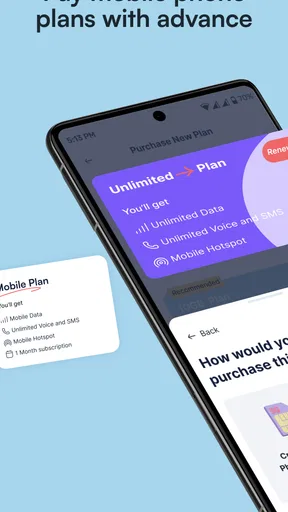
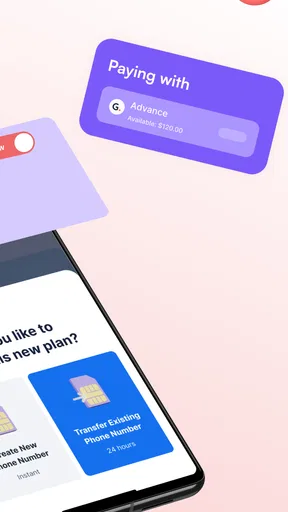
Gerald is a financial app designed to give eligible users access to cash advances and other money-management features. After creating an account and completing identity and financial verification, you may see an available advance amount based on your profile. If approved, the money can be transferred to a linked bank account or used through supported payment features. Availability and limits vary by user.
How much money can I borrow through Gerald?
The amount available through Gerald depends on several factors, including your account history, income information, banking activity, and the app’s eligibility assessment. New users should not assume they will receive the maximum advertised amount immediately. Your personalized limit is shown inside the app, and it may increase or change over time as your account activity and repayment history develop.
Does Gerald charge interest, fees, or require a subscription?
Gerald’s costs can depend on the specific feature you use and the plan or terms presented during enrollment. Some services may be advertised without traditional interest, while optional memberships, expedited transfers, or other features could involve charges. Before accepting an advance, carefully review the in-app disclosure showing repayment dates, applicable fees, subscription conditions, and any consequences of cancellation.
How quickly can I receive money from Gerald?
Transfer speed depends on the delivery method, your bank, account verification status, and whether you choose a standard or expedited option when available. Some users may receive funds relatively quickly, while others could experience delays caused by weekends, holidays, security checks, or incorrect banking details. The app should display the expected arrival time before you confirm a transfer.
Is Gerald safe to use, and what information does it require?
Gerald may request personal, financial, and banking information to verify your identity, evaluate eligibility, process transfers, and comply with financial regulations. As with any cash-advance service, review its privacy policy, permissions, security practices, and user agreement before signing up. Use only the official app store listing, protect your login details, and avoid sharing verification codes with anyone.


